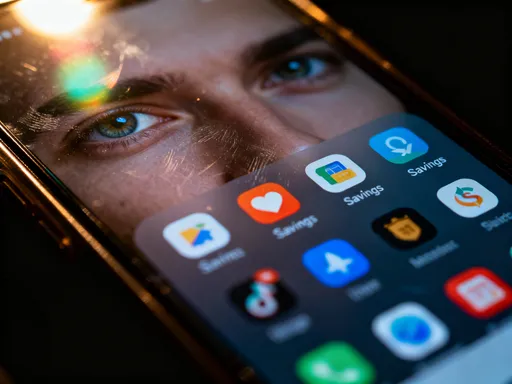
After Sharing a Budget App with My Best Friend, I Regained Control of My Finances
Have you ever felt overwhelmed trying to keep up with bills, savings, and everyday spending? I did—until I started using a simple family ledger app with my closest friend. What began as a way to split costs for trips and gifts quietly transformed into something deeper: better money habits, clearer goals, and a stronger sense of independence. It wasn’t just about tracking expenses—it was about taking charge of my life, one small decision at a time.
The Moment I Knew I Needed Help
I remember standing in the grocery store line, heart pounding, as the cashier told me my card had been declined. It wasn’t a large purchase—just milk, bread, and a few vegetables—but the embarrassment burned. I smiled weakly, handed over cash I didn’t really have to spare, and walked out feeling defeated. That moment wasn’t just about money. It was about losing control. For years, I told myself I was ‘fine’—that I had a job, paid my rent, and didn’t live beyond my means. But the truth was, I had no idea where my money was going. Small things—online orders, coffee stops, subscription renewals—added up silently, like water dripping through a crack I refused to see.
That night, I called my best friend, Maya. We’ve known each other since our kids were in the same preschool class, and over the years, we’ve shared everything from parenting struggles to holiday recipes. This time, my voice cracked as I admitted, ‘I don’t know how I keep running out of money every month.’ I expected judgment. Instead, she said, ‘I used to feel the same way. What if we tracked our spending together?’ Her tone wasn’t preachy—it was warm, like an invitation. And in that moment, I realized I didn’t need a financial guru. I needed a partner. Someone who wouldn’t shame me, but walk beside me. That’s how it started—not with a spreadsheet or a lecture, but with a conversation between two women who just wanted to feel a little more in control.
How We Started: A Shared Ledger, Not a Shared Wallet
One of the first things I worried about was privacy. Did I really want someone seeing every purchase I made? What if I bought a new pair of shoes or treated myself to a massage? But Maya was clear from the start: ‘This isn’t about judging each other. It’s about staying honest with ourselves.’ We didn’t merge our bank accounts or pool our money. We simply agreed to use the same budgeting app—one designed for families and close friends to track expenses while keeping finances separate. Think of it like two runners using the same fitness tracker. You’re not racing each other, but you’re motivated by seeing someone else put in the miles.
We began slowly. At first, we only logged bigger purchases—like a birthday gift or a weekend outing. But within weeks, we were logging everything: groceries, gas, even that $3 bottle of water I grabbed during a hectic afternoon. The app made it easy. With just a few taps, I could assign each expense to a category—food, transportation, personal care—and watch the numbers add up in real time. What surprised me most was how natural it felt to share our dashboards. Every Sunday evening, we’d send each other a quick message: ‘Ready for our weekly check-in?’ No pressure, no guilt—just a quiet way of saying, ‘I’m here, and I’m trying.’
And slowly, something shifted. I started noticing patterns. Maya saved aggressively for her daughter’s college fund, while I was more focused on building a cushion for unexpected repairs. But seeing her consistency inspired me. I wasn’t copying her—I was learning from her. The app didn’t make us the same; it helped us understand our differences and celebrate our individual progress.
Small Data, Big Awareness
Before the app, my spending was like a blurry photo—vague shapes with no clear details. I knew I wasn’t rich, but I also didn’t think I was careless. Then one evening, I pulled up my monthly report and froze. There it was in black and white: $84 on coffee over four weeks. $120 on food delivery. $60 on apps and digital subscriptions I barely used. These weren’t huge numbers on their own, but together, they equaled more than my electric bill. I felt a mix of shock and clarity. I hadn’t been hiding this from myself on purpose—I just hadn’t been looking.
Maya didn’t point fingers. She just said, ‘Wow, I didn’t realize you ordered takeout that often. What’s that about?’ That question changed everything. It wasn’t an accusation—it was curiosity. And it made me ask myself the same thing. Was I tired after work? Stressed? Lonely? The app didn’t answer those questions, but it gave me the data to start asking them. I realized I often ordered dinner when I was too drained to cook, especially on nights when the kids had activities and I hadn’t planned ahead. So instead of just cutting back, I started meal prepping on Sundays. I even invited Maya to do it with me—two slow cooker meals, ready to go. The next month, my food delivery spending dropped by half.
That’s when I understood: the app wasn’t just tracking money. It was revealing habits. And once I could see them, I could change them. I wasn’t fighting willpower—I was working with information. And that made all the difference.
Autonomy Through Accountability
Here’s what I didn’t expect: sharing my spending didn’t make me feel exposed. It made me feel free. Before, I felt like I was wandering in the dark, making choices without knowing the consequences. Now, I had a flashlight. Knowing that Maya might gently ask, ‘How’d your week go?’ didn’t feel like pressure—it felt like care. It was the same kind of check-in we’d do about our health or our kids. ‘Did you get enough sleep?’ ‘How was school today?’ This was just another way of saying, ‘I’m paying attention. You matter.’
The app gave me structure, but it didn’t take away my freedom. I could still treat myself—I just did it with intention. When I wanted to buy a new dress for a family wedding, I didn’t hide it. I logged it under ‘clothing’ and adjusted my other spending that week. No guilt, no secrecy. And when I hit my monthly savings goal for the first time, I texted Maya a screenshot with a simple message: ‘Did it.’ Her reply? ‘Proud of you. Let’s celebrate with tea, not takeout.’ We laughed, but it was real. The win was mine, but the joy was shared.
This kind of accountability isn’t about rules or restrictions. It’s about alignment. It’s choosing to be honest not because someone is watching, but because you want to be the kind of person who keeps their word—to others and to yourself. The app didn’t change my income, but it changed my relationship with money. I stopped feeling like a victim of my spending and started feeling like the author of my choices.
Beyond Numbers: A New Kind of Support
Our friendship deepened in ways I never anticipated. We still talk about parenting and recipes, but now we also celebrate financial wins like we do milestones. ‘I paid off my credit card!’ ‘I set up automatic savings!’ These aren’t flashy moments, but they feel powerful. We’ve created a safe space where being responsible isn’t boring—it’s brave. And that shift has rippled into other areas of our lives. When I started saying no to impulse buys, I found it easier to say no to overcommitting socially. When I honored my budget, I began honoring my time and energy too.
What’s beautiful is that we’re not competing. I’m not trying to save more than Maya, and she’s not keeping up with me. We’re both moving forward at our own pace. Sometimes she inspires me to be more disciplined. Other times, I remind her it’s okay to spend on things that bring joy. The app is neutral—it doesn’t judge. It just shows us where we are. And from that honesty, we build encouragement, not envy.
I’ve even started talking to my teenage daughter about money using the same app. We set a small savings goal for her summer camp, and she logs her babysitting income and spending. It’s not about control—it’s about teaching her that money is a tool, not a source of stress. Seeing her use the app with the same calm focus I now have? That’s the kind of legacy I want to pass on.
How Anyone Can Start (Even If You’re Not Tech-Savvy)
If you’re thinking, ‘I’m not good with apps,’ I get it. I used to avoid anything that sounded technical. But the truth is, most family ledger apps today are designed for real life—not finance experts. You don’t need to understand algorithms or download complicated software. All you need is a smartphone and a willingness to start small. Look for an app with a clean, simple interface—something that lets you add a purchase with just a few taps. Many have voice entry, so you can say, ‘Lunch with Maya, $22,’ and it logs it automatically.
Choose one that allows private sharing. You should be able to control what someone sees—maybe just your totals, not every single purchase. Some apps let you create shared goals, like saving for a group gift, while keeping personal budgets separate. Set up individual dashboards so you can track your own progress without comparison. And please—use strong passwords and two-factor authentication. This isn’t about secrecy; it’s about security.
Start with one goal. Maybe it’s saving $100 in a month. Or cutting your dining-out budget by 20%. Share it with one trusted person—your sister, your best friend, your partner. You don’t need a big group. Just one person who will listen, not lecture. Log your purchases consistently, even if it feels awkward at first. Within weeks, you’ll start to see patterns. And when you do, celebrate them. Text your friend: ‘I packed lunch five days in a row!’ That small win is the beginning of big change.
And if you miss a day? Don’t quit. Life happens. The goal isn’t perfection—it’s awareness. The app will be there when you’re ready to try again.
Why This Changed More Than Just My Budget
Three years after that grocery store moment, I still use the app. But it’s not just a tool anymore—it’s part of my routine, like brushing my teeth or checking the weather. What started as a way to avoid overdraft fees has become a practice in self-respect. I pay my bills on time. I save without panic. I spend with purpose. But more than that, I trust myself again. I know I can make a plan and stick to it. I know I can recover from a setback. And I know I don’t have to do it alone.
This journey wasn’t about becoming rich. It was about becoming free. Free from surprise bills, from constant worry, from the shame of feeling behind. Technology didn’t fix my life—but it gave me a mirror to see myself clearly, a friend to walk beside me, and a map to follow when I felt lost. And that made all the difference.
If you’re reading this and thinking, ‘I could never do that,’ I want you to know—you can. You don’t need a perfect budget. You don’t need to earn more or spend less overnight. You just need one small step: opening an app, logging one purchase, sharing it with someone who cares. That’s how it starts. Not with a grand gesture, but with a quiet decision to take back control. And from there? Everything else begins to change.