How I Built a Smarter Investment Portfolio to Boost My Income—No Jargon, Just Real Results
What if growing your income wasn’t just about working more hours—but about making your money work harder? I started with no finance degree, just a paycheck and a fear of wasting years on the wrong moves. After testing strategies, falling into traps, and finally finding what actually works, I rebuilt my investment portfolio from scratch. This is the practical, no-fluff journey that changed my financial reality—sharing what really matters when you want results. It wasn’t about luck, timing, or secret knowledge. It was about clarity, consistency, and making choices that align with real life. If you’ve ever felt overwhelmed by financial noise or unsure where to start, this story is for you.
The Wake-Up Call: Why My Old Approach Was Failing
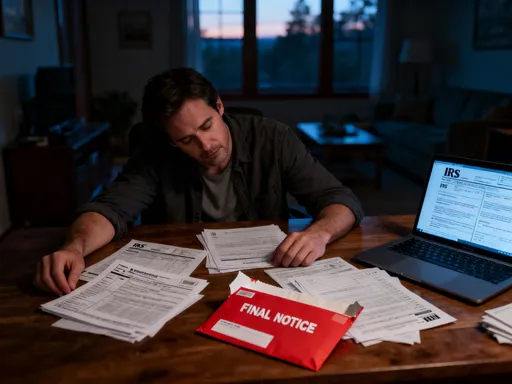
For years, I believed that investing meant trying to outsmart the market. I watched financial news, read headlines, and followed tips from friends who claimed they’d doubled their money in months. I opened a brokerage account, picked individual stocks based on popularity, and even dabbled in mutual funds with high fees, thinking professionals would do the heavy lifting. But after nearly a decade, my account balance barely kept up with inflation. Worse, I was exhausted—constantly checking prices, reacting to downturns, and feeling guilty every time I spent money that could have been invested. My savings were growing slowly, but my stress was compounding faster.
Looking back, the root of the problem wasn’t effort—it was strategy. I had fallen into the trap of treating investing like a game of chance rather than a long-term plan. My portfolio lacked structure. I was overexposed to a few sectors, particularly technology, because they were trending. When those stocks dipped, my entire balance wobbled. I made emotional decisions: selling low during market dips and buying high when momentum returned. I ignored fees, didn’t understand tax implications, and never reviewed my asset mix. I was saving money, yes, but I wasn’t building wealth. Saving protects what you have; investing grows it. I had confused the two.
The turning point came during a routine review of my retirement account. I compared my returns to a simple index fund like the S&P 500 and realized I had underperformed—significantly. My active choices had cost me time and money. That moment forced me to ask a hard question: Was I investing to build income, or just to feel busy? The answer changed everything. I decided to stop chasing excitement and start building stability. I stepped back, cleared the noise, and committed to learning how real wealth is built—not through shortcuts, but through discipline, balance, and time.
Defining My Real Goal: Income Growth with Stability
Before I could fix my portfolio, I needed to define what success actually looked like. I used to think “more money” was the goal, but that was too vague. I asked myself: What do I need my money to do for me? I listed my priorities: cover unexpected expenses, support my family’s lifestyle, and eventually generate income without relying solely on my job. I wanted growth, but not at the cost of constant anxiety. I didn’t want to gamble; I wanted to build something reliable—like a second income stream that worked in the background.
This clarity helped me distinguish between speculation and sustainable investing. Speculation is about timing the market, betting on trends, and hoping for quick wins. It’s exciting, but it’s not investing—it’s gambling. Sustainable investing, on the other hand, is about owning productive assets that generate returns over time. That could mean dividend-paying companies, interest from bonds, or capital appreciation from broad market growth. I realized I didn’t need to pick the next big stock; I needed a portfolio that earned money consistently, even when I wasn’t watching it.
I set a clear target: grow my portfolio at a steady pace—aiming for long-term returns in line with historical market averages—while minimizing large losses. I accepted that I wouldn’t double my money in a year, and that was okay. What mattered was progress, not perfection. I wanted income growth with stability, not volatility. This shift in mindset was crucial. It allowed me to stop comparing myself to others, ignore flashy headlines, and focus on what would actually support my life. With that goal in place, I was ready to build a portfolio that reflected it—not one based on emotion, but on purpose.
Building the Foundation: Asset Allocation That Actually Works
Once I knew my goal, I focused on the foundation of any strong portfolio: **asset allocation**. This is the practice of dividing your investments among different categories—like stocks, bonds, and cash—based on your goals, risk tolerance, and time horizon. I learned that asset allocation accounts for the majority of long-term investment returns, far more than picking individual winners. It’s not about timing the market; it’s about being in the right mix of assets at the right time.
I started by assessing my risk tolerance honestly. I didn’t want to lose sleep over market swings, so I knew I needed a balanced approach. I settled on a mix that included a majority in broad-market stock funds for growth, a significant portion in high-quality bonds for stability, and a small reserve in cash for emergencies and opportunities. This wasn’t a fixed formula—it evolved as my life changed—but it gave me a framework. I used low-cost index funds and ETFs to gain exposure to these asset classes, avoiding the high fees of actively managed funds that often underperform.
One of the most powerful lessons was understanding how different assets behave under various conditions. Stocks tend to rise over time but can be volatile in the short term. Bonds typically offer lower returns but provide income and reduce portfolio swings. Cash is safe but loses value over time due to inflation. By combining them, I created a portfolio that could weather downturns without derailing my long-term goals. For example, when stock markets dipped, my bond holdings helped cushion the fall, allowing me to stay invested instead of selling in panic. Asset allocation didn’t eliminate risk, but it made it manageable.
I also diversified within each category. Instead of putting all my stock money into U.S. large-cap companies, I added international funds and small-cap exposure. For bonds, I included both government and investment-grade corporate bonds. This further reduced my dependence on any single market or sector. The result was a resilient structure—one that didn’t rely on any one investment to succeed. It wasn’t glamorous, but it was effective. I stopped trying to predict the future and started building a portfolio that could thrive in any future.
Selecting Investments with Purpose: Beyond the Hype
With my asset allocation in place, I turned to selecting specific investments. This is where many people get distracted by marketing, popularity, or promises of high returns. I made a rule: every investment had to serve a clear purpose in my portfolio. I asked three questions: Does it align with my asset mix? Does it have a strong track record? And is it low-cost and transparent?
I began by replacing most of my actively managed mutual funds with low-cost index funds and ETFs. Research consistently shows that over time, the majority of active funds fail to beat their benchmarks after fees. I realized I wasn’t paying for outperformance—I was paying for underperformance. By switching to passive funds that simply track the market, I reduced my fees dramatically and improved my expected returns. For example, I moved my U.S. stock exposure to a total market index fund with an expense ratio below 0.05%, compared to the 1% or more I was paying before.
I also added dividend-paying stocks and ETFs focused on income. These companies have a history of sharing profits with shareholders, providing a steady stream of cash flow. I didn’t chase high yields blindly—some high-dividend stocks are risky—but focused on firms with strong balance sheets and consistent payouts. This income wasn’t just for spending; I reinvested it to buy more shares, allowing my portfolio to grow through compounding. Over time, reinvested dividends contributed significantly to my total returns.
I avoided complex products like leveraged ETFs, options, or speculative cryptocurrencies. They might offer excitement, but they didn’t fit my goal of stable income growth. I also stayed away from investments I didn’t understand. If I couldn’t explain how it made money in simple terms, I didn’t buy it. This discipline kept me out of trouble during market bubbles. My portfolio wasn’t the most exciting, but it was built to last. Every holding had a role, and none were there for show.
Risk Control: Protecting Gains Without Killing Growth
Many people think risk means losing money, but I learned that risk also means losing control. The real danger isn’t market volatility—it’s making emotional decisions during downturns. I realized I couldn’t eliminate risk, but I could manage it through structure and discipline. My goal wasn’t to avoid losses entirely, but to prevent catastrophic ones that could derail my progress.
I implemented several practical strategies. First, I committed to regular rebalancing. Over time, some assets grow faster than others, shifting my original allocation. For example, if stocks outperform bonds, my portfolio becomes riskier than intended. Once a year, I reviewed my holdings and sold a little from the winners to buy more of the underperformers, bringing my mix back in line. This simple act forced me to “buy low and sell high” automatically, without having to time the market.
I also set clear rules for when to make changes. I decided not to react to daily news or short-term market moves. I wouldn’t sell just because the market dropped 10%. Instead, I focused on my long-term plan. If my life situation changed—like nearing retirement or needing to access funds—I would adjust my strategy, but not before. This helped me stay calm during turbulent periods, like market corrections or global events.
Another key step was building an emergency fund outside my investment accounts. Having three to six months of living expenses in a safe, accessible account gave me confidence. I didn’t have to sell investments at a loss if something unexpected happened. This separation between savings and investing reduced pressure on my portfolio and allowed it to grow undisturbed. Risk control wasn’t about being overly cautious—it was about being prepared. I accepted that losses are part of investing, but I refused to let them become permanent.
Real Moves, Real Results: How My Portfolio Performs Today
It’s been over seven years since I rebuilt my portfolio from the ground up. There have been ups and downs—market corrections, inflation spikes, and global uncertainty—but my strategy has held steady. I haven’t doubled my money overnight, but I’ve achieved consistent growth. My annualized return has closely tracked broad market indices, and more importantly, my income stream has grown. Dividends and interest now provide a meaningful supplement to my household budget, and that amount increases each year as I reinvest and compound.
Compared to my old approach, the difference is night and day. I spend less time managing my investments—maybe a few hours a year—and feel more confident than ever. I no longer panic when the market dips. In fact, I see downturns as opportunities to buy more at lower prices. My portfolio is diversified, low-cost, and aligned with my goals. I’ve avoided major losses because I wasn’t overexposed to any single risk. I’ve also avoided the drag of high fees, which has saved me thousands in hidden costs.
The real success isn’t just in the numbers—it’s in the peace of mind. I no longer feel like my financial future depends on luck or constant attention. I’ve built a system that works for me, not against me. I’m not rich by celebrity standards, but I’m on track to meet my goals: financial stability, growing income, and the freedom to make choices without constant worry. This isn’t a get-rich-quick story. It’s proof that ordinary people, with ordinary incomes, can build something lasting through smart, disciplined choices.
Your Turn: Making It Work for Your Life
You don’t need a finance degree, a huge salary, or perfect timing to build a better portfolio. You need clarity, consistency, and the willingness to start. The first step is to define your own goal. What do you want your money to do for you? Is it retirement, education, travel, or simply more security? Write it down. Then assess your current portfolio: Does it reflect that goal? Are you paying high fees? Are you overly concentrated in one area? You don’t have to change everything at once. Small, thoughtful improvements add up over time.
Start by focusing on what you can control: costs, diversification, and behavior. Choose low-cost, broad-market funds. Spread your investments across different asset classes. Avoid frequent trading—it rarely helps and often hurts. Most importantly, stay disciplined. Investing is a long game, and the biggest advantage you have is time. The earlier you start, the more compounding can work in your favor. Even modest, regular contributions can grow into something significant.
Don’t compare yourself to others. Your journey is your own. Some years will be better than others—that’s normal. What matters is staying the course. Avoid the temptation to chase trends or react to fear. Stick to your plan, review it periodically, and make adjustments as your life changes. Building wealth isn’t about being perfect. It’s about making better decisions, consistently, over time. You don’t need to copy my portfolio. You need to create one that works for you—one that brings not just returns, but peace of mind. And that, in the end, is the real measure of financial success.