How I Stacked Returns Without Losing Sleep – Real Talk on Smarter Investing
What if growing your money didn’t mean risking everything? I used to think maximizing returns meant chasing hot trends—until I learned the real game is balance. After burning out from sleepless nights and shaky bets, I rebuilt my strategy around steady growth and smart protection. This isn’t about get-rich-quick schemes. It’s what actually worked when I stopped gambling and started thinking. Let me walk you through the mindset and moves that changed everything. The journey wasn’t flashy, but it was real—rooted in patience, structure, and a commitment to long-term results. If you’ve ever felt overwhelmed by market noise or anxious about your investments, this is for you.
The Wake-Up Call: When Chasing Returns Backfired
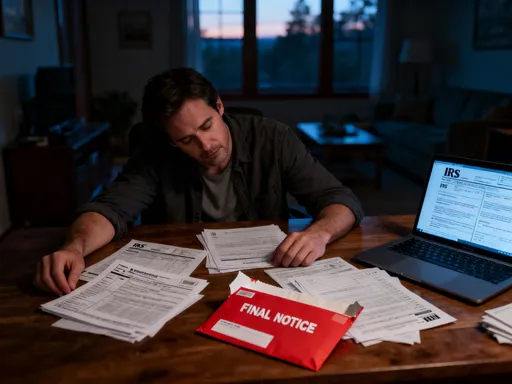
There was a time when I believed that success in investing meant catching the next big thing—before anyone else did. I stayed up late scanning stock alerts, checking price swings, and jumping into speculative plays based on social media buzz. I told myself I was being proactive, but in truth, I was reacting—driven more by fear of missing out than by strategy. The turning point came during a volatile market dip when I lost nearly 25% of my portfolio in just a few weeks. It wasn’t just the money that hurt; it was the constant anxiety, the sleepless nights, and the realization that I had no real plan—only hope.
Looking back, I see how emotional decision-making had replaced sound judgment. I was measuring success by short-term gains, not long-term progress. Each win reinforced risky behavior, and each loss made me double down in an attempt to recover quickly. This cycle is common among investors who focus solely on returns without considering the cost of volatility. The hidden toll wasn’t just financial—it was mental and emotional. I began to question whether I could trust my own decisions. That moment of self-doubt became the catalyst for change. I realized that sustainable wealth isn’t built through bold moves alone, but through consistency, discipline, and risk-aware planning.
What shifted my perspective was understanding that investing isn’t a sprint; it’s a marathon with obstacles that test both knowledge and temperament. I started educating myself not on which stock would soar next, but on how markets behave over time, how risk affects outcomes, and how psychology influences choices. I began reading books by seasoned investors who emphasized patience and process over prediction. Slowly, I moved away from speculation and toward a structured approach—one that valued stability as much as growth. This wasn’t about playing it safe; it was about playing smart. And the first step was acknowledging that chasing returns without a safety net was not courage—it was recklessness disguised as ambition.
Returns Aren’t Everything—Why Risk Control Comes First
One of the most powerful lessons I learned is that protecting your capital is more important than chasing high returns. It sounds simple, but it’s often overlooked. If you lose 50% of your investment, you need a 100% gain just to break even. That imbalance reveals a core truth: downside protection is the foundation of long-term growth. I used to focus only on the upside—how much I could make—but now I start every decision by asking how much I can afford to lose. This mindset shift transformed my entire approach to investing.
Diversification became my first line of defense. Instead of putting large sums into single stocks or trending sectors, I spread my investments across different asset classes—stocks, bonds, real estate investment trusts, and cash equivalents. This doesn’t guarantee profits or eliminate risk, but it reduces the impact of any one failure. I also began applying position sizing, limiting any single investment to no more than 5% of my total portfolio. This simple rule prevented any one bet from derailing my progress. Over time, I realized that managing exposure was more valuable than predicting winners.
Equally important was developing emotional discipline. Markets will always fluctuate, and emotions like fear and greed are natural responses. But acting on them without a plan leads to costly mistakes. I created a set of personal guidelines: no trading after a market shock, no impulsive buys based on headlines, and regular portfolio reviews only at scheduled intervals. These rules helped me stay grounded. I also took the time to assess my true risk tolerance—not the version I imagined under calm conditions, but the one that held up during downturns. This meant being honest about how much volatility I could handle without panicking. By aligning my portfolio with my actual comfort level, I reduced stress and improved decision-making.
Risk control isn’t about avoiding all losses—it’s about managing them so they don’t derail your long-term goals. I now view risk not as an enemy, but as a factor to be measured and respected. Every investment decision includes an evaluation of potential downside, not just upside. This balanced approach has allowed me to stay invested through market cycles, avoid catastrophic losses, and compound gains steadily over time. The result? Better returns not because I took bigger risks, but because I preserved capital more effectively.
The Power of Compounding—But Only If You Stay in the Game
For years, I underestimated the power of compounding because it felt too slow. I wanted dramatic results, not gradual growth. But when I finally ran the numbers, I was stunned. A consistent 7% annual return—modest by speculative standards—doubles your money every ten years. Over 30 years, it turns $10,000 into over $76,000. That kind of growth doesn’t come from home runs; it comes from staying in the game, avoiding major losses, and letting time do the work. I realized that the real advantage wasn’t in picking winners, but in not getting knocked out.
To harness compounding, I redesigned my portfolio for longevity. I shifted from high-turnover trading to a buy-and-hold mindset, focusing on quality assets with sustainable business models. I prioritized reinvestment, setting up automatic dividend reinvestment plans so that every payout immediately bought more shares. This small habit, repeated over years, significantly boosted my ownership and future income. I also minimized fees and taxes—two silent compounding killers. By choosing low-cost index funds and tax-efficient accounts, I kept more of my returns working for me.
One of the biggest threats to compounding is emotional exit. Many investors sell during downturns, locking in losses and missing the recovery. I’ve done it myself. To prevent this, I built a portfolio I could live with through all market conditions. That meant including stable assets like bonds and dividend-paying stocks, which provide income and reduce volatility. I also created a cash reserve to cover unexpected needs, so I wouldn’t be forced to sell investments at the worst time. These buffers gave me confidence to stay the course.
Compounding rewards patience and consistency. It doesn’t care about brilliance—it cares about endurance. I stopped measuring success by quarterly statements and started focusing on decade-long trends. This long-term view reduced my anxiety and improved my results. I no longer try to time the market or chase performance. Instead, I trust the process. And over time, that trust has been rewarded. The lesson is clear: extraordinary wealth isn’t built in a single year. It’s built by showing up, staying invested, and letting compounding do its job.
Asset Allocation That Actually Works—My No-Frills Framework
I used to think asset allocation had to be complicated—custom models, constant adjustments, and endless fine-tuning. Then I discovered the truth: simplicity often outperforms complexity. I adopted a straightforward framework based on three buckets: growth, stability, and opportunity. Each serves a clear purpose, and together, they create balance without requiring constant attention. This system isn’t perfect, but it’s practical, adaptable, and designed to support long-term goals while preserving peace of mind.
The growth bucket holds assets with long-term appreciation potential—primarily stock index funds and broad-market ETFs. I allocate about 60% of my portfolio here, adjusting slightly based on my age and financial stage. This portion drives wealth creation over time, but I don’t expect it to rise every year. I accept that volatility is the price of growth. The stability bucket, making up 30%, includes bonds, bond funds, and high-quality dividend stocks. These provide income, reduce overall risk, and act as a cushion during market declines. The final 10% goes into the opportunity bucket—a flexible reserve for selective investments, such as real estate crowdfunding or individual stocks I’ve researched thoroughly. This small allocation allows me to explore without endangering the core portfolio.
What makes this framework work is its flexibility and discipline. I don’t tinker with it daily or react to market headlines. Instead, I review it once a year or after major life changes—like a job shift, home purchase, or change in family needs. If one bucket drifts significantly from its target—say, growth rises to 70% due to a bull market—I rebalance by selling some winners and reinvesting in underweight areas. This simple act locks in gains and restores balance without speculation. I avoid emotional decisions because the structure guides me.
This approach isn’t about maximizing short-term returns; it’s about creating a resilient financial foundation. By defining clear roles for each part of my portfolio, I reduce confusion and increase confidence. I know why I own what I own, and I’m not swayed by the latest trend. The result is a portfolio that grows steadily, withstands downturns, and supports my lifestyle without demanding constant oversight. For busy individuals—especially those managing family finances—this kind of simplicity is not just helpful; it’s essential.
Cutting the Noise—What to Ignore in the Market Circus
The financial world thrives on attention, and much of what we see in media and online is designed to provoke reaction, not reflection. I used to watch daily market moves like a spectator at a sporting event, reacting to every headline and price swing. Over time, I realized this habit wasn’t helping me—it was harming me. The constant stream of information created anxiety, encouraged impulsive decisions, and distracted me from my long-term plan. I decided to change my media diet and create boundaries around market consumption.
I started by limiting how often I checked my portfolio. Instead of daily or hourly glances, I set a schedule: monthly reviews for performance, quarterly assessments for allocation, and annual deep dives for strategy. This reduced emotional interference and kept me focused on trends, not noise. I also unsubscribed from financial newsletters that used alarmist language or promoted “urgent” opportunities. I replaced them with calm, research-based sources that emphasized data over drama.
I learned to ignore viral stock stories—the ones promising overnight riches or warning of imminent crashes. These narratives are often based on speculation, not fundamentals. I stopped participating in online investment forums where opinions were treated as facts and fear spread faster than analysis. Instead, I focused on my own goals, timeline, and risk tolerance. I reminded myself that other people’s urgency doesn’t have to become my own.
Another key change was reframing how I viewed market volatility. Instead of seeing dips as disasters, I began to see them as potential opportunities—if I had the cash and the courage to act. But I didn’t act impulsively. I stuck to my plan. This mindset shift—from reactive to intentional—was transformative. I stopped trying to predict the future and started preparing for it. By filtering out the noise, I gained clarity, reduced stress, and made better decisions. Calm, not chaos, became my investing companion.
Smart Moves That Boost Returns—Without the Risk Hype
Over the years, I’ve tested many strategies, but only a few have consistently improved my results. None are flashy, and none promise instant wealth. But together, they’ve made a meaningful difference. The most impactful have been dollar-cost averaging, tax efficiency, and automatic dividend reinvestment. These aren’t secrets, but their power lies in consistency and long-term application. They don’t eliminate risk, but they tilt the odds in my favor.
Dollar-cost averaging—investing a fixed amount regularly, regardless of market conditions—has been a cornerstone of my approach. Instead of trying to time the market, I contribute monthly to my investment accounts. This means I buy more shares when prices are low and fewer when they’re high, which smooths out the average cost over time. It removes emotion from the equation and ensures I’m always investing, even when fear might otherwise keep me on the sidelines. This simple habit has helped me build wealth steadily, without needing to make perfect calls.
Tax efficiency has also played a crucial role. I’ve learned that after-tax returns matter more than pre-tax gains. I prioritize using tax-advantaged accounts like IRAs and 401(k)s for investments that generate taxable income, such as bonds or high-turnover funds. For taxable brokerage accounts, I favor low-turnover index funds and stocks that qualify for long-term capital gains rates. I also harvest tax losses when appropriate, offsetting gains and reducing my tax bill. These strategies don’t generate headlines, but they preserve more of my returns year after year.
Finally, automatic dividend reinvestment has quietly amplified my ownership. Every payout is used to buy more shares, which then generate their own dividends. This creates a compounding effect within the compounding process. Over time, this has significantly increased my position in quality companies without requiring additional effort or capital. These three strategies—consistent investing, tax-smart placement, and reinvestment—are not revolutionary, but they are powerful when applied with discipline. They prove that small, smart moves, repeated over time, can lead to substantial results.
Building Freedom—Not Just a Number in the Bank
Financial freedom, for me, isn’t about retiring at 40 or hitting a seven-figure net worth. It’s about having control over my time, choices, and peace of mind. It’s knowing I can handle unexpected expenses, support my family, and pursue meaningful goals without constant financial stress. This kind of freedom didn’t come from a single investment win—it came from years of consistent, thoughtful decisions that prioritized sustainability over spectacle.
By focusing on risk management, long-term compounding, and disciplined habits, I’ve built a financial life that supports my values. I no longer measure success by portfolio size alone, but by resilience, flexibility, and confidence. I can say no to things that don’t align with my goals. I can take career risks when I want to. I can plan for the future without fear. This is the real return on investment—not just in dollars, but in quality of life.
The journey isn’t over, and I don’t claim to have all the answers. But I’ve learned that smarter investing isn’t about being the smartest person in the room—it’s about being the most consistent, the most patient, and the most grounded. Anyone can start, regardless of income or experience. Begin with a clear goal, build a simple plan, protect your capital, and stay the course. Over time, small advantages compound into real freedom. That’s not a promise—it’s a pattern. And it’s one I believe anyone can follow, one smart move at a time.