Beyond the Strip: Where Las Vegas Hides Its Wild Heart
You know what? Las Vegas isn’t just neon lights and casinos. I never expected to find breathtaking trails winding through desert canyons just minutes from the Strip. This is insane—hiking in a city famous for nightlife? But here’s the truth: Las Vegas sits in a stunning natural bowl, surrounded by red rock formations and quiet valleys. You gotta check out these hidden urban trails that blend city districts with wild desert beauty. It’s an adventure most tourists completely miss. From sunrise hikes above Henderson to quiet desert washes in North Las Vegas, the city offers a surprising escape into nature without ever leaving metropolitan boundaries. This is not the Las Vegas you’ve seen in movies. This is real, raw, and right at your doorstep.
The Unexpected Side of a Party City
Las Vegas is globally recognized as a destination for entertainment, luxury, and 24-hour energy. Yet beneath the glow of its famous Strip lies a geographic secret: the city is cradled by vast stretches of protected desert terrain. Unlike typical urban centers built on flat, developed land, Las Vegas benefits from its placement within the Mojave Desert, where mountain ranges rise abruptly from suburban edges. These natural boundaries aren’t just scenic backdrops—they’re accessible wilderness zones, often beginning just a few blocks from residential neighborhoods and shopping centers.
Urban planning in Las Vegas has, over the past two decades, increasingly prioritized open space preservation. Districts like Summerlin, Centennial Hills, and Henderson were designed with greenbelts, conservation easements, and trail networks integrated into their layouts. This intentional blending of city and nature means that residents—and observant visitors—can transition from pavement to desert trail in under ten minutes. The city’s master plans have protected thousands of acres from development, ensuring that future generations will still have places to hike, bike, and reconnect with the natural world.
What makes this setup unique is not just proximity, but diversity. Each district borders a different geological feature—the Spring Mountains to the west, the River Mountains to the southeast, the Sheep Range to the north. These aren’t distant landmarks; they are climbable, explorable, and often less than 30 minutes from downtown. This rare synergy between urban infrastructure and untouched desert allows for a lifestyle that balances modern convenience with outdoor adventure. For families, retirees, and active adults alike, Las Vegas offers something unexpected: a city where wilderness isn’t an excursion—it’s part of daily life.
Why Hiking Here Changes Your Perspective
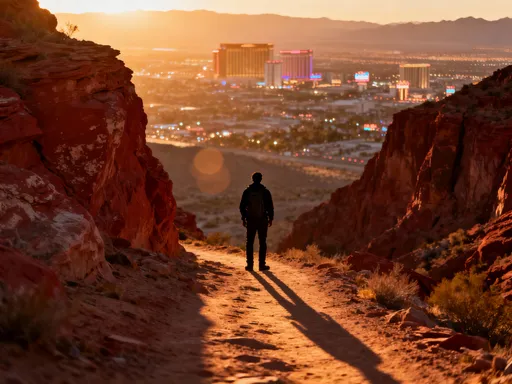
Hiking in Las Vegas does more than improve physical fitness—it transforms the way you see the city. When you stand on a ridge at dawn, watching the first light hit the high-rises of the Strip while the desert below remains in shadow, you experience a moment of clarity few tourists ever encounter. The contrast is striking: one world built on human energy, the other shaped by wind and time. This duality offers a mental reset, replacing the noise and stimulation of the casino floor with silence, space, and sky.
The psychological benefits of such experiences are well documented. Time spent in nature reduces cortisol levels, lowers blood pressure, and enhances mood. In a city known for sensory overload, these trails provide a necessary counterbalance. A moderate hike through a desert wash or up a rocky slope engages the body and calms the mind. The rhythmic crunch of gravel underfoot, the scent of creosote after a rare rain, the sudden flash of a lizard darting between rocks—these small sensations ground you in the present moment.
Physically, hiking in Las Vegas builds endurance and balance. The terrain is often uneven, with loose gravel, steep inclines, and exposed rock, making it a full-body workout. Elevation gains, even in short hikes, challenge the cardiovascular system and strengthen leg muscles. Because many trails are at altitudes between 2,000 and 5,000 feet, the thinner air adds an extra layer of difficulty, improving aerobic capacity over time. And unlike indoor gyms, the desert environment delivers natural vitamin D from sunlight, which supports immune function and bone health.
But the real reward is emotional. Reaching a summit and seeing the valley unfold below—subdivisions nestled against red cliffs, highways tracing ancient fault lines—gives a sense of perspective that’s hard to find elsewhere. It reminds you that life isn’t just about schedules and screens. It’s about movement, discovery, and connection. For women in their 30s to 50s managing households, careers, and family needs, this kind of reset is not a luxury. It’s essential.
Red Rock Canyon: The Crown Jewel Just Outside the City
No discussion of Las Vegas hiking is complete without mentioning Red Rock Canyon National Conservation Area. Located just 25 minutes west of the Strip, this 197,000-acre preserve is managed by the Bureau of Land Management and offers some of the most dramatic desert scenery in the Southwest. Its proximity to urban districts like Summerlin and Rhodes Ranch makes it a favorite among locals, yet it remains surprisingly uncrowded compared to national parks.
The centerpiece is the 13-mile scenic loop drive, which climbs gently into the foothills of the Spring Mountains. Along the way, numbered pullouts lead to trailheads of varying difficulty. The Calico Tanks Trail, starting at the end of the loop, is a moderate 3.5-mile round trip that takes hikers through narrow sandstone passages and up natural rock steps to a hidden basin with panoramic views. It’s popular with families and beginner hikers, offering both challenge and reward without requiring technical gear.
For those seeking more intensity, Ice Box Canyon delivers. This 2.6-mile out-and-back trail ascends through a shaded ravine, staying cool even in midday heat. The name comes from the lingering snow patches that sometimes remain into spring. The trail ends at a dramatic cliff face, where seasonal waterfalls cascade down red rock. Because it’s shaded and often moist, the area supports a unique micro-ecosystem, including maidenhair ferns and rare mosses—unexpected life in an arid landscape.
Wildlife is another highlight. Bighorn sheep are frequently spotted along ridgelines, especially in early morning or late afternoon. These majestic animals, adapted to steep terrain and extreme temperatures, are a symbol of desert resilience. Mule deer, coyotes, and a variety of reptiles also call the area home. Birdwatchers may catch sight of red-tailed hawks, peregrine falcons, or the elusive roadrunner darting across the trail.
Visitors should note that a $15 per vehicle fee is required for entry, and the site is closed on major holidays. Peak seasons are spring and fall, when temperatures are mild. Summer hikes are possible but should be reserved for early morning hours, with extra water and sun protection. With its accessibility, beauty, and range of experiences, Red Rock Canyon isn’t just a side trip—it’s a cornerstone of the Las Vegas outdoor lifestyle.
Exploring Urban-Adjacent Trails in Northwest Vegas
While Red Rock draws the crowds, the northwest part of Las Vegas offers quieter, equally rewarding trail experiences. Districts like Centennial Hills and North Las Vegas border vast stretches of undeveloped land, including the Lone Mountain Preserve and the edge of the Desert National Wildlife Refuge—the largest wildlife refuge in the contiguous United States. These areas see far fewer visitors, making them ideal for those seeking solitude and unfiltered desert immersion.
The Lone Mountain Preserve, accessible from several trailheads off Ann Road and Jones Boulevard, features a network of dirt paths that follow ancient washes and climb rocky ridges. The terrain is rugged but navigable, with clear sightlines and minimal tree cover. From the higher points, hikers can see the entire Las Vegas Valley stretching to the south, with the Strip’s skyline rising like a mirage in the distance. On clear days, the snow-capped peaks of Mount Charleston are visible to the west, a reminder of the region’s varied elevations.
What sets these trails apart is their authenticity. There are no guardrails, no interpretive signs, no paved paths. You’re hiking in raw Mojave Desert—home to yucca plants, Joshua trees, and creosote bushes that have survived for centuries. The silence is profound. Even on weekends, it’s common to walk for an hour without seeing another person. This sense of isolation is both calming and empowering, especially for women who may feel constantly surrounded by demands and noise in daily life.
Because these trails are less maintained, preparation is key. Sturdy hiking boots with ankle support are recommended due to loose rock and uneven footing. Carrying at least one gallon of water per person is non-negotiable, especially in warmer months. Sun protection—wide-brimmed hats, UV-blocking clothing, and sunscreen—is essential. And while cell service is available near trailheads, it fades quickly once you move into the washes, so downloading offline maps via apps like AllTrails or Gaia GPS is a smart precaution.
Despite the lack of amenities, these trails are safe and well-marked enough for confident hikers. They offer a chance to experience the desert as it truly is: wild, beautiful, and indifferent to human schedules. For those willing to venture beyond the usual spots, the northwest rewards with peace, perspective, and a deeper connection to the land.
Southern Gateways: Trails Near the Airplane Highway and I-15 Corridor
South of the Strip, near McCarran International Airport and the I-15 corridor, lies another overlooked hiking zone: the McCullough Range. Though overshadowed by Red Rock and Mount Charleston, this area offers some of the most dramatic elevation gains in the metro region. The Black Mountain Trail, accessed from the far southern edge of Henderson, is a 6.5-mile round trip that climbs over 1,500 feet to a summit with 360-degree views of the valley.
The hike is strenuous but achievable for most with moderate fitness. The trail begins in a wide wash and quickly turns into a series of steep switchbacks carved into the mountain’s flank. As you ascend, the city sprawl gives way to pure desert—sagebrush, cacti, and scattered boulders. Near the top, the path narrows, requiring careful footing, but the effort pays off with one of the best panoramic views in Southern Nevada. To the north, the Strip glitters like a neon river. To the east, Lake Mead shimmers in the distance. To the west, the Spring Mountains form a purple wall against the sky.
This trail is especially popular at sunrise, when temperatures are cool and the light transforms the landscape. The early start also helps avoid afternoon winds, which can be strong on exposed ridges. Because the trail is located in a Bureau of Land Management area, there is no entrance fee, and parking is free. However, the trailhead has limited space, so arriving early ensures a spot.
What makes the southern corridor unique is its connectivity. Trails like Black Mountain link Henderson, Enterprise, and unincorporated Clark County into a shared recreational network. This integration shows how open space can serve as a unifying force, bringing together diverse communities through a common love of nature. For families living in nearby neighborhoods, these trails offer a weekend escape that doesn’t require packing a car or driving for hours.
Wildlife sightings are common—jackrabbits, desert tortoises, and even the occasional mountain lion have been reported. Hikers are reminded to keep a safe distance and never feed animals. The desert ecosystem is fragile, and human interference can have long-lasting effects. Staying on marked trails helps protect native plants and prevents soil erosion, preserving the area for future visitors.
Henderson and the Eastern Foothills: A Suburban Oasis
Henderson, the second-largest city in Nevada, was designed with nature in mind. From its inception, city planners incorporated greenbelts, parks, and trail systems into residential developments. Today, Henderson offers some of the most seamless transitions from urban life to outdoor adventure. The River Mountains Loop Trail, a 40-mile paved and unpaved route, connects Henderson to Boulder City and the shoreline of Lake Mead, allowing cyclists and hikers to travel from suburb to lakeside without crossing major roads.
For more rugged experiences, the Bootleg Canyon trail system near Boulder City provides technical routes favored by experienced hikers and mountain bikers. The trails wind through rocky canyons and up steep inclines, offering constant views of the valley and the Colorado River beyond. Though challenging, these paths are well-maintained and clearly marked. The area is also home to the Nevada Southern Paiute Tribe, and interpretive signs along some trails share cultural insights about the land’s original stewards.
On the family-friendly side, Henderson’s Sloan Canyon and Katherine Landing parks feature short, educational loops that introduce children to desert ecology. These trails include signage about native plants, animal tracks, and geology, making them ideal for weekend outings. Playgrounds, picnic areas, and shaded benches make these parks welcoming for all ages. For women managing busy households, these accessible spots offer a rare combination: outdoor time, education, and relaxation—all within a 15-minute drive from home.
The city’s commitment to open space is evident in its conservation policies. Over 20% of Henderson’s land is preserved as natural desert, ensuring that development does not consume every available acre. This balance between growth and preservation sets a standard for sustainable urban planning. It proves that cities can expand without sacrificing their connection to nature. For residents, it means that a quiet hike under a full moon or a sunrise walk with coffee in hand is never out of reach.
Practical Tips for Hiking Safely and Smartly
Success on Las Vegas trails starts with preparation. The desert environment is beautiful but unforgiving. Temperatures can exceed 100°F (38°C) from May through September, making early morning hikes essential. Starting at sunrise—between 5:00 and 6:30 a.m.—ensures cooler conditions and longer shadows, reducing the risk of heat exhaustion. Even in winter, mornings are best, as afternoon winds can pick up quickly.
Hydration is the top priority. Experts recommend carrying at least one gallon (four liters) of water per person for any hike lasting over two hours. Sports drinks with electrolytes can help maintain balance, but plain water is usually sufficient for moderate efforts. Avoid alcohol and caffeine before or during hikes, as they contribute to dehydration. Eating a balanced breakfast with complex carbohydrates and protein provides sustained energy.
Proper clothing makes a big difference. Lightweight, moisture-wicking fabrics keep you cool and prevent chafing. Long sleeves and pants made from UV-protective material shield skin from intense sun exposure. A wide-brimmed hat and polarized sunglasses protect your face and eyes. Sturdy hiking boots with good tread and ankle support prevent slips on loose rock and gravel.
Navigation tools are critical. While many trails are well-marked, cell service is unreliable in remote areas. Downloading offline maps using trusted apps like AllTrails, Gaia GPS, or OnX Backcountry ensures you won’t get lost. Carrying a physical map and compass as backup is wise, even if you rely on technology. Let someone know your route and expected return time, especially if hiking alone.
Finally, respect the environment and local rules. Stay on designated trails to protect fragile desert soils and plant life. Avoid touching or disturbing wildlife. Some areas, like parts of the Desert National Wildlife Refuge, require permits for access. Others may close seasonally to protect nesting birds or during high fire danger. Checking the Bureau of Land Management or city parks website before departure ensures a smooth, responsible experience.
With the right mindset and preparation, every district in Las Vegas becomes a gateway to adventure. Whether you’re a long-time resident or a curious visitor, the trails beyond the Strip invite you to see the city in a new light. This is not just hiking. This is rediscovery. This is balance. This is the wild heart of Las Vegas, beating just beyond the neon glow.