Lost in the Desert Winds: Kuwait City’s Untamed Nature Beckons
Have you ever felt nature whisper through golden dunes or watched the sun melt into a salty lagoon at dusk? Kuwait City isn’t just skyscrapers and city lights—it hides wild, breathtaking landscapes most travelers never see. I ventured beyond the urban pulse and discovered serene deserts, coastal marshes teeming with life, and open spaces where silence speaks louder than words. This is nature not curated, but felt—raw, real, and deeply moving. Far from the polished plazas and modern malls, Kuwait City reveals a quieter, more enduring side: one shaped by wind, salt, and the resilience of life in arid lands. For those willing to look beyond the obvious, the capital offers unexpected encounters with untouched beauty just minutes from home.
Beyond the Skyline: Unveiling Kuwait City’s Natural Soul
Kuwait City is often perceived as a modern metropolis defined by its towering skyline, bustling markets, and vibrant urban energy. Yet, just beyond the city's paved borders lies a natural world that remains largely unseen by both visitors and residents alike. The transition from cityscape to wilderness is subtle but profound—within minutes of leaving the downtown core, the noise softens, the air grows drier, and the horizon expands into sweeping plains of sand and sky. This juxtaposition is not accidental; it reflects the deep connection between Kuwait’s people and their environment, a relationship rooted in history, survival, and reverence for the land.
The natural landscape surrounding Kuwait City is shaped by extremes—intense heat, limited rainfall, and vast open spaces that stretch toward the horizon. Despite these challenges, life persists in surprising forms. Desert grasses cling to cracks in the earth, migratory birds navigate ancient routes over the bay, and hardy shrubs bloom after rare winter rains. These ecosystems are not ornamental; they are functional, fragile, and essential. Protected areas such as the Kuwait National Wildlife Reserve and smaller conservation zones serve as sanctuaries for native species and offer quiet retreats for those seeking solace away from city life.
What makes this natural soul so compelling is its authenticity. Unlike manicured parks or tourist-designed attractions, these spaces remain largely untouched. There are no admission gates, few signs, and minimal infrastructure—just sand, wind, and the occasional footprint in the dust. For families, couples, or solo explorers, stepping into this quiet wilderness offers a rare chance to reconnect with the rhythm of the earth. It’s a reminder that even in one of the most urbanized nations in the Gulf, nature still holds its ground.
The Desert’s Embrace: Experiencing the Kuwaiti Sands
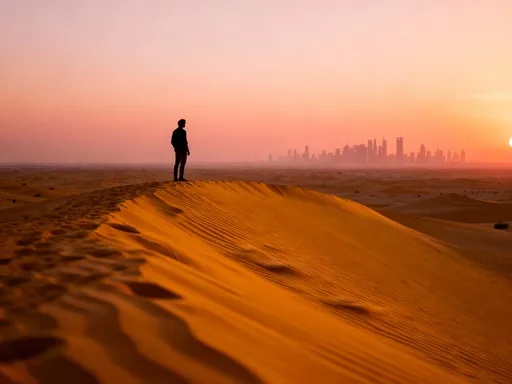
The desert is not a barren void—it is a living, breathing environment that pulses with subtle energy. To walk across the Kuwaiti sands is to enter a world governed by silence, light, and time. At dawn, the air is cool and crisp, carrying the faint scent of dry earth. As the sun rises, golden dunes shift in color from pale amber to deep ochre, their ridges casting long, delicate shadows. This is the best time to explore, when temperatures are mild and the landscape feels almost gentle.
Visitors quickly learn to move with awareness. The soft sand resists each step, slowing pace and encouraging mindfulness. Tracks left behind may belong to a desert fox, a spiny-tailed lizard, or a lone gazelle passing through under cover of night. Birdwatchers might spot the pale desert lark or the swift cream-colored courser skimming low over the dunes. Even in stillness, the desert reveals its activity—through tracks, droppings, or the distant call of a raven echoing across the flats.
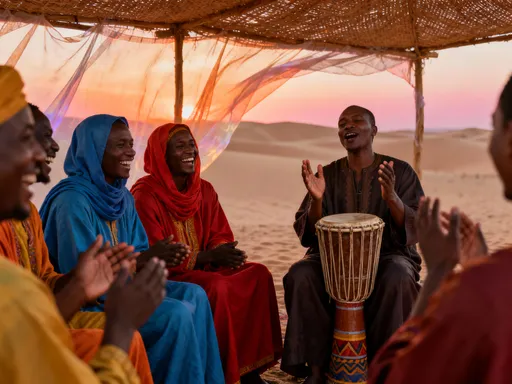
Experiencing the desert fully means understanding its rhythms. Midday brings intense heat, making shade essential and movement difficult. This is when the desert seems to pause, holding its breath until the sun begins its descent. Then, in the late afternoon, the landscape transforms again. The cooling sand releases stored warmth, and the sky blazes with hues of orange, pink, and violet. Many families choose this time for desert picnics, spreading rugs near their vehicles and watching the sunset in quiet companionship.
For a safe and enriching experience, preparation is key. Light, breathable clothing, a wide-brimmed hat, and high-SPF sunscreen are essential. A reliable vehicle with proper tires is necessary for navigating unpaved desert tracks. Most importantly, visitors should carry ample water—dehydration can occur quickly, even in cooler months. Staying on established paths helps protect fragile crusts of soil that prevent erosion and support plant life. The desert rewards respect with beauty, offering moments of solitude and clarity that are increasingly rare in modern life.
Sabah Al-Ahmad: A Green Mirage in the Arid Land
Amid the vastness of Kuwait’s arid terrain, the Sabah Al-Ahmad Green Centre stands as a testament to what thoughtful environmental stewardship can achieve. Located southwest of Kuwait City, this man-made oasis was designed not for spectacle, but for restoration. Its mission is to rehabilitate native plant species, combat desertification, and create a space where people can experience greenery in a land where it is scarce. What was once open desert now hosts a network of walking trails, shaded groves, and carefully cultivated habitats that support birds, insects, and small mammals.
The centerpiece of the reserve is its extensive planting of ghaf trees—one of the few native species capable of surviving in Kuwait’s harsh climate. These resilient trees, with their twisted trunks and sparse canopy, are deeply symbolic in Gulf culture, often associated with endurance and hospitality. Alongside them grow samr, arfaj, and other salt-tolerant shrubs that stabilize the soil and provide shelter for wildlife. The careful selection of drought-resistant flora ensures that the greenery is sustainable without relying on excessive irrigation.
Visitors to Sabah Al-Ahmad are often struck by the contrast between the surrounding desert and the cool, shaded paths within the reserve. Benches placed under tree cover invite quiet reflection, while birdwatching hides offer unobtrusive views of feathered residents. Depending on the season, one might see the colorful Eurasian hoopoe probing the ground with its curved beak, or a masked shrike perched on a thorny branch. Migratory species, including warblers and flycatchers, pass through during spring and autumn, making the site a quiet haven for bird enthusiasts.
The centre also serves an educational role, hosting school groups and community programs focused on conservation. Signage along the trails explains the ecological importance of each plant species and the challenges of preserving biodiversity in an arid region. For families, it’s a safe, peaceful destination where children can learn about nature without the distractions of crowded parks or commercial attractions. More than just a garden, Sabah Al-Ahmad represents hope—a green future growing from the sands of today.
Coastal Contrasts: From Marina Views to Bird-Filled Marshes
While Kuwait City’s coastline is best known for its marinas, promenades, and luxury developments, a quieter, more ecologically significant world exists just beyond the tourist zones. Along the northern reaches of Kuwait Bay and in protected inlets, tidal marshes and mudflats create vital habitats for birds, crustaceans, and marine life. These areas, though less glamorous than the city’s waterfront attractions, are among the most biologically rich in the region.
At low tide, the exposed mudflats become feeding grounds for wading birds. Long-legged avocets sweep their upturned bills through shallow water, while curlews probe deep into the soft sediment with their curved beaks. Flocks of dunlins and sanderlings dart back and forth with the waves, chasing tiny invertebrates. Occasionally, a greater flamingo may appear, its pink plumage glowing in the sunlight—a rare but increasingly common sight as conservation efforts improve habitat conditions.
One of the most rewarding experiences is visiting during migration season, when Kuwait becomes a stopover point for birds traveling between Eurasia and Africa. The air fills with distant calls—shrill whistles, soft croons, and sudden alarm cries—as flocks take flight in synchronized waves. A marsh harrier might glide low over the reeds, scanning for prey, while a peregrine falcon circles high above. These moments of wild beauty unfold without fanfare, visible only to those who take the time to look.
For visitors, the key to enjoying these coastal wetlands is preparation. Binoculars are essential for spotting birds at a distance, and a field guide or birding app can help identify species. Early morning or late afternoon visits offer the best light and activity levels. It’s important to stay on designated paths and avoid disturbing nesting areas or trampling sensitive vegetation. Unlike manicured parks, these spaces thrive because they remain undisturbed. By observing quietly and respectfully, visitors become part of the ecosystem rather than intruders within it.
Driving the Outskirts: Hidden Natural Stops Near the City
Exploring Kuwait’s natural beauty doesn’t require a full-day expedition or extensive planning. Many of the most rewarding experiences are found within a short drive from central Kuwait City. A growing number of families and nature lovers are discovering that spontaneity—pulling over on a desert track or stopping at a quiet coastal overlook—can lead to some of the most memorable moments.
One popular route leads south toward the desert interior, where unpaved tracks branch off from the main highway. These roads, often marked only by tire ruts, lead to open plains perfect for stretching legs, flying kites, or simply sitting in silence. After winter rains, these areas sometimes surprise visitors with desert blooms—tiny white and yellow flowers that carpet the ground for a brief, fleeting season. Fossilized seashells embedded in the limestone bedrock tell of an ancient sea that once covered the region, adding a layer of geological wonder to the experience.
Along the coast, several pull-offs provide unobstructed views of the bay and distant islands. Umm Al-Namil Island, accessible only by boat, has a protected shoreline where herons and terns nest undisturbed. From the mainland, visitors can watch the tides shift and listen to the rhythmic lap of waves against the rocks. These spots are ideal for early-morning coffee stops or evening wind-downs, offering a peaceful alternative to crowded malls or noisy cafes.
For those seeking a slightly more structured outing, the Kuwait National Wildlife Reserve offers guided drives and viewing platforms. Though entry may require prior arrangement, the experience is well worth it. Families can spot reintroduced Arabian oryx, observe desert hares, or catch sight of a golden jackal at dusk. The reserve’s commitment to conservation ensures that wildlife thrives while still allowing respectful public access. These nearby natural stops prove that adventure and tranquility are never far away—if one knows where to look.
Respecting the Land: Sustainable Ways to Experience Nature
As interest in Kuwait’s natural landscapes grows, so does the responsibility to protect them. These environments are fragile, shaped by millennia of adaptation to extreme conditions. A single act of carelessness—littering, off-road driving, or disturbing wildlife—can undo years of conservation progress. Sustainable exploration is not just an option; it is a necessity for preserving these spaces for future generations.
One of the simplest ways to minimize impact is to follow the principle of ‘leave no trace.’ This means packing out all trash, avoiding single-use plastics, and using reusable water bottles. Many families now bring insulated containers for food and drinks, reducing waste while staying comfortable in the heat. Choosing eco-friendly transportation, such as carpooling or using fuel-efficient vehicles, also helps reduce the carbon footprint of desert and coastal trips.
Staying on designated roads and trails is another crucial practice. Off-road driving may seem harmless, but it damages delicate soil crusts that prevent erosion and support plant life. In coastal areas, trampling on salt marshes can destroy habitats for crabs, birds, and fish larvae. By sticking to marked paths, visitors help maintain the balance of these ecosystems.
Supporting conservation initiatives is equally important. Visitors can choose eco-conscious tour operators, participate in beach clean-up events, or donate to local environmental organizations. Educational programs at sites like Sabah Al-Ahmad Green Centre and the Kuwait National Wildlife Reserve help raise awareness, especially among children, about the importance of protecting native species and habitats. When families engage in these efforts together, they pass on values of stewardship and respect for nature.
Why These Landscapes Matter: Connecting with Kuwait’s Natural Identity
The natural landscapes surrounding Kuwait City are more than scenic backdrops—they are integral to the nation’s identity. They speak of resilience, adaptation, and a deep-rooted connection to the land. For centuries, Kuwaitis have lived in harmony with the desert and sea, drawing sustenance, wisdom, and inspiration from their environment. Today, these same landscapes offer modern residents a chance to slow down, reflect, and reconnect with something timeless.
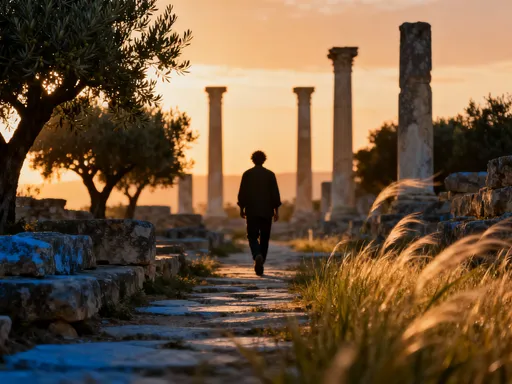
In a world dominated by screens, schedules, and constant noise, the silence of the desert or the rhythm of the tides provide a rare form of healing. These spaces do not demand attention; they invite presence. To stand on a dune at sunset, to watch birds glide over a marsh, or to walk beneath a canopy of ghaf trees is to participate in a quiet, enduring beauty. It is a reminder that not everything must be fast, loud, or new to be valuable.
For families, these natural experiences create lasting memories—children laughing as they slide down a sand dune, grandparents sharing stories under a desert sky, couples walking hand in hand along a quiet shore. These moments, simple and unscripted, become anchors in the flow of daily life. They teach appreciation for the small wonders: a flower growing in the sand, the call of a distant bird, the way the light changes with the hour.
Ultimately, Kuwait’s untamed nature beckons not as an escape, but as a return—to balance, to peace, to the roots of place and belonging. It challenges the assumption that beauty lies only in the cultivated or the convenient. Instead, it offers a different kind of richness, one found in stillness, in space, in the whisper of wind across the dunes. To answer that call is to discover a deeper layer of Kuwait, one that endures long after the city lights fade into the horizon.