You Won’t Believe What I Found in Seville’s Hidden Markets
Shopping in Seville isn’t just about buying souvenirs—it’s a sensory journey through cobbled alleys, sun-drenched plazas, and family-run boutiques where every item has a story. I wandered off the tourist trails and discovered a side of the city that’s rich in craftsmanship, local flavor, and quiet charm. From hand-painted ceramics to leather crafted the same way for generations, Seville’s shopping scene surprised me at every turn. This is not retail—it’s connection, culture, and authenticity rolled into one unforgettable experience.
The Allure of Personalized Shopping in Seville
What sets Seville apart from other European cities is the deeply personal rhythm of its shopping culture. In a world where global retail chains dominate, Seville offers a refreshingly human alternative. Here, shopping is not a transaction but a conversation. Storefronts are small, often family-owned, with hand-lettered signs and displays arranged as if inviting guests into a home rather than customers into a store. The pace is slow, deliberate, and unhurried—shoppers are not rushed, and vendors take time to explain the origins of a hand-stitched fan or the meaning behind a ceramic design. This atmosphere fosters a sense of intimacy, transforming each visit into a meaningful interaction.
The experience feels private, even in public spaces. Unlike the crowded souvenir stalls near major landmarks, the true shopping heart of Seville beats in its lesser-known corners, where locals still gather, barter, and build relationships over years, not transactions. These interactions are rooted in mutual respect—vendors recognize returning faces, remember preferences, and often offer a small cup of coffee or a sample of local sweets. In such moments, the boundary between buyer and seller softens, and the act of shopping becomes something more: a shared appreciation for tradition, artistry, and the value of time.
This authenticity is not accidental. It is preserved by a cultural commitment to craftsmanship and community. Artisans in Seville are not performers for tourists; they are custodians of heritage, many of whom learned their trade from parents or grandparents. Their workshops are not staged for show but function as living studios where creation happens daily. When a visitor steps inside, they are not entering a museum exhibit but a working space where history is actively lived. This genuine continuity—between past and present, maker and user—creates an emotional resonance that mass-produced goods can never replicate.
Navigating the Heart of the City: Triana’s Craft Legacy
No visit to Seville’s artisan scene is complete without exploring Triana, a neighborhood perched across the Guadalquivir River, long celebrated as the cradle of the city’s ceramic tradition. For centuries, Triana’s kilns have fired the colorful tiles that adorn churches, palaces, and homes throughout Andalusia. Today, the neighborhood remains a vibrant center of ceramic artistry, where narrow streets echo with the quiet clink of glaze brushes and the scent of damp clay lingers in the air.
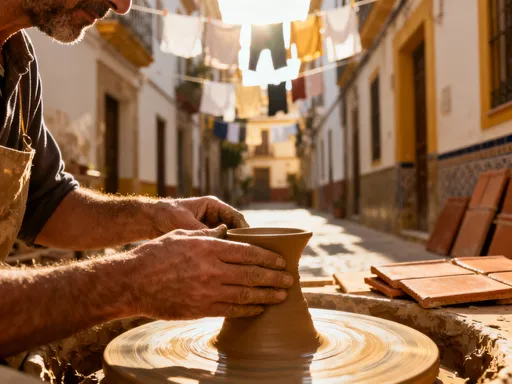
Walking through Triana feels like stepping into a living archive. Artisans still use techniques passed down from the Moorish era, shaping tiles by hand and painting intricate geometric and floral patterns with natural pigments. The process is meticulous—each piece is dried slowly, fired once, glazed, then fired again. The result is not only durable but deeply expressive, with slight variations that reveal the human touch behind every stroke. In family-run studios, visitors can watch a master potter shape a vase on a spinning wheel or see a painter delicately trace a centuries-old motif onto a tile.
What makes Triana especially compelling is its openness. Many workshops welcome guests to observe, ask questions, or even try their hand at a simple design. This access is rare in cities where craft is often hidden behind glass or reserved for special exhibitions. In Triana, the creative process is part of daily life. Tourists are not merely spectators but participants in a tradition that values transmission as much as preservation. Purchasing a piece here—whether a small tile, a serving platter, or a decorative jar—means bringing home not just an object but a fragment of Seville’s soul.
For the discerning traveler, the real reward lies in discovering those studios slightly off the main thoroughfares, where the pace is slower and the conversation deeper. These quieter spaces often belong to artists who prioritize authenticity over volume, creating limited runs or custom pieces. Here, one might find a ceramicist experimenting with modern forms while honoring traditional methods, or a family preserving a specific regional style that has nearly vanished elsewhere. These hidden ateliers are not always marked by signs but are known through word of mouth, making their discovery all the more special.
Hidden Gems in Santa Cruz: Boutique Discoveries
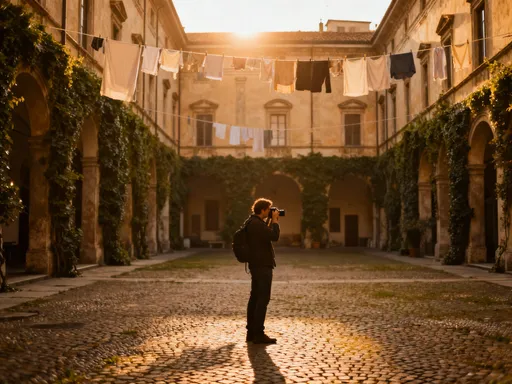
Just beyond the grandeur of Seville’s cathedral lies Santa Cruz, the city’s ancient Jewish quarter, a maze of whitewashed alleys, flower-filled courtyards, and arched passageways that seem untouched by time. This is where the city’s most intimate shopping experiences unfold—quietly, almost secretly, in tucked-away boutiques that feel more like private collections than commercial spaces.
Among the most enchanting finds in Santa Cruz are the handmade fans, or *abaniceros*, still crafted by artisans using techniques unchanged for generations. These are not the flimsy souvenirs sold near tourist sites but exquisite works of art, with delicate lace paper, hand-painted designs, and intricately carved ivory or bone handles. To open one is to hear a soft whisper, a sound as refined as the craftsmanship itself. Many fans bear traditional Andalusian motifs—flamenco dancers, orange blossoms, or intricate filigree patterns—each telling a story of regional pride and artistry.
Equally captivating are the *mantones de Manila*, the large embroidered silk shawls that have long been a symbol of Spanish femininity and elegance. Originally inspired by Asian trade routes, these shawls were adopted into Andalusian culture and perfected over time. In Santa Cruz, one can find them in family-run boutiques, draped over mannequins like heirlooms. The embroidery is dense and luminous, often in deep reds, blacks, or golds, with floral and bird motifs that seem to float on the fabric. To touch one is to feel the weight of history—the shawls were once worn by dancers, brides, and grandmothers, each stitch a testament to patience and skill.
Another sensory delight awaits in the neighborhood’s small apothecaries and perfume shops, where the scent of orange blossom, myrtle, and almond oil fills the air. These family-owned stores blend tradition with natural wellness, offering handmade soaps, balms, and fragrances crafted from locally sourced ingredients. The perfumes are subtle, not overpowering—designed to linger like a memory rather than announce presence. Many are sold in apothecary-style bottles with handwritten labels, reinforcing the sense of discovery and authenticity.
Mercado de San Gonzalo: A Local’s Playground
While Triana and Santa Cruz offer timeless charm, the Mercado de San Gonzalo represents Seville’s evolving relationship with tradition—one that honors the past while embracing the present. Once a neglected municipal market, San Gonzalo has been revitalized into a dynamic hub of local life, drawing both residents and curious visitors on weekend mornings. The transformation has been thoughtful: instead of replacing the old with the new, the market has been reimagined as a space where heritage and innovation coexist.
On weekends, the courtyard fills with pop-up stalls featuring a new generation of artisans—designers who respect Andalusian craft but interpret it through a contemporary lens. Here, one might find a leather artisan selling minimalist wallets inspired by equestrian saddlery, or a jeweler crafting delicate pieces from recycled metals and traditional filigree techniques. There are also modern takes on flamenco accessories: lightweight shawls in breathable fabrics, or hair combs made from sustainable resin rather than endangered tortoiseshell.
What makes San Gonzalo special is its authenticity of purpose. Unlike curated craft fairs designed solely for tourists, this market remains a place where locals shop for daily goods—fresh produce, cheese, bread, and olives—alongside handmade crafts. The dual function keeps the atmosphere grounded and genuine. Visitors are not isolated in a tourist bubble but immersed in the rhythm of Seville’s everyday life. Children chase each other between stalls, neighbors greet one another by name, and the scent of grilled chorizo mingles with the earthy aroma of fresh herbs.
The market also serves as a platform for emerging talent. Young designers who might otherwise struggle to find retail space can test their creations in a supportive environment. Many vendors are eager to discuss their inspiration, materials, and production methods, offering insights into how they balance tradition with innovation. For the thoughtful traveler, these conversations deepen appreciation and help distinguish authentic craftsmanship from mass-produced imitations. San Gonzalo is not just a place to shop—it’s a place to learn, connect, and witness culture in motion.
The Art of Leather in Seville’s Family Workshops
Seville’s mastery of leathercraft is one of its best-kept secrets. While the city is famed for its ceramics and textiles, its leather goods—particularly shoes and belts—reflect a quiet excellence rooted in generations of skilled labor. In small workshops tucked into side streets, often with no signage or online presence, families continue to produce footwear and accessories using methods refined over decades.
One such workshop, run by a third-generation *zapatero*, offers a rare glimpse into this world. Inside, the air is rich with the scent of tanned leather and beeswax. Shelves are lined with lasts—wooden molds shaped like feet—while benches hold half-finished shoes in various stages of assembly. The shoemaker works slowly, using a curved awl to hand-stitch each sole, a technique that ensures durability and flexibility. Unlike machine-stitched shoes, which can feel stiff and impersonal, these are made to mold to the wearer’s foot over time, becoming more comfortable with use.
What sets Andalusian leather apart is both material and method. The region’s tanneries have long used vegetable-based processes, avoiding harsh chemicals in favor of natural tannins from oak and chestnut. This results in leather that ages beautifully, developing a rich patina rather than cracking or peeling. The designs, too, reflect local culture—shoes may feature subtle flamenco influences, such as a slight heel lift or decorative stitching reminiscent of dance costumes. Equestrian traditions also leave their mark, with sturdy boots and riding accessories crafted for both function and elegance.
These workshops are not museums but working spaces where tradition is lived daily. Visitors are often welcomed with warmth, invited to touch samples, try on a pair, or watch a repair in progress. The shoemaker might explain how a customer has returned every year for resoling, or how a bride ordered custom shoes for her wedding. These stories underscore a deeper value: in a world of fast fashion, Seville’s leather artisans offer an alternative rooted in care, continuity, and craftsmanship that lasts.
When to Go, What to Bring, and How to Shop Like a Local
To fully appreciate Seville’s artisan markets, timing and approach matter. The best hours to visit are weekday mornings, when the streets are quieter and vendors are more available for conversation. By midday, the heat intensifies, and crowds from cruise ships or tour groups begin to arrive, especially in areas like Santa Cruz. Weekends bring a different energy—lively and festive, particularly at San Gonzalo—but also busier, making it harder to linger or engage deeply.
When shopping, it’s wise to carry cash in small denominations. While many shops now accept cards, smaller artisans and market vendors often prefer cash, and it streamlines transactions. A lightweight bag is essential—Seville’s streets are uneven, and shopping often involves long walks through narrow alleys. Comfortable shoes are non-negotiable; given the city’s cobblestones and distances between neighborhoods, supportive footwear makes exploration far more enjoyable.
Equally important is how one engages with vendors. In Seville, shopping is relational, not transactional. A simple greeting—*Buenos días*—goes a long way. Taking time to admire a piece, ask about its origin, or compliment the craftsmanship fosters goodwill. Bargaining, however, is not customary in fixed-price shops or family studios. Unlike markets in other countries, where haggling is expected, Seville’s artisans set fair prices based on labor and materials. To negotiate would be seen as disrespectful of their work. That said, in larger flea markets or informal stalls, a polite inquiry about a discount may be met with a smile—but only if done gently and without pressure.
Recognizing authentic craftsmanship requires attention to detail. Look for signs of handwork: slight imperfections in stitching, variations in paint, or the natural grain of leather. Mass-produced items tend to be uniform and overly polished. Ask questions—about materials, production time, or family history. Artisans are usually proud to share their process, and their willingness to explain is often a sign of authenticity. Certificates of origin or workshop labels, while not always present, can also help verify provenance.
Why This Experience Stays With You
Long after the souvenirs are unpacked and the photos shared, what remains from shopping in Seville is not the objects themselves but the feeling they evoke. These experiences linger because they are rooted in connection—not just to a place, but to the people who shape it. Each item purchased carries a story: the potter in Triana who shaped a tile with her grandmother’s tools, the fan maker in Santa Cruz who painted a delicate rose by hand, the shoemaker who stitched a pair of shoes with decades of skill.
In a world increasingly dominated by speed and convenience, Seville offers a counterpoint: a reminder that value is not measured in efficiency but in care. The time it takes to hand-paint a design, to stitch a sole, to blend a perfume—these moments are not wasted but invested. They reflect a culture that honors patience, tradition, and the dignity of skilled work. To participate in this, even briefly, is to step outside the rush of modern life and into a space where meaning is woven into every detail.
For the traveler, especially one who values depth over spectacle, these intimate shopping experiences offer something rare: a sense of belonging. In the quiet exchange of a conversation, the shared appreciation of a craft, the simple act of choosing a gift with intention, one begins to feel not like a visitor but a guest. And in that shift—subtle yet profound—lies the true magic of Seville. It does not offer mere distractions or fleeting pleasures. It offers connection. It offers memory. It offers, for a few precious hours, a place to belong.
So the next time you travel, look beyond the guidebook highlights. Seek out the quiet streets, the unmarked doors, the workshops where the scent of clay or leather still fills the air. Ask questions. Listen. Let yourself be surprised. Because the most unforgettable souvenirs are not the ones you buy—but the ones that find you, through stories, through craft, through the quiet humanity of a city that remembers how to make things with heart.