You Won’t Believe What I Found in São Paulo’s Street Art Scene
São Paulo’s art isn’t just in galleries—it’s on the walls, in the alleys, and buzzing through the streets. I went looking for culture and left with a head full of colors, stories, and adrenaline. From massive murals that tower like skyscrapers to hidden graffiti nooks only locals know, the city pulses with creative energy. This isn’t just sightseeing—it’s immersion. Let me take you through the most mind-blowing art experiences São Paulo has to offer. Every corner reveals a new visual narrative, a fresh burst of emotion painted across concrete and brick. For travelers seeking authenticity, connection, and beauty beyond the expected, São Paulo delivers in ways few cities can match.
The Urban Canvas: Where Art Takes Over the City
São Paulo is a city of contrasts—vast, fast-paced, and densely populated, yet deeply intimate in its creative expression. The urban landscape becomes a canvas where art is not confined but liberated, spilling from rooftops to sidewalks. Unlike curated exhibitions behind glass, the street art here is immediate, unfiltered, and alive. It speaks in bold colors, intricate patterns, and powerful messages that reflect the city’s complex soul. What makes this scene extraordinary is not just its scale, but its accessibility. You don’t need a ticket or an invitation—just open eyes and a willingness to wander.
The sheer volume of public art is staggering. Entire neighborhoods are transformed into open-air galleries, where buildings serve as backdrops for storytelling and social commentary. The murals range from abstract designs to hyper-realistic portraits of historical figures, indigenous leaders, and everyday citizens. Each piece carries intention—some celebrate cultural heritage, others challenge political norms or highlight environmental concerns. The art evolves constantly, with new layers painted over old ones, creating a living timeline of the city’s consciousness. This dynamic nature means no two visits are ever the same.
Vila Madalena stands out as one of the most vibrant hubs of this movement. Once a quiet residential area, it has become a magnet for artists, creatives, and curious travelers. Walking its narrow streets feels like stepping into a dream where color defies gravity and walls breathe imagination. Nearby, the neighborhood of Pinheiros also pulses with artistic energy, hosting experimental installations and community-driven projects. These districts exemplify how urban spaces can be reclaimed not for commercial gain, but for cultural enrichment.
The roots of São Paulo’s street art explosion are deeply tied to its social fabric. With a population exceeding 12 million, the city is a mosaic of cultures, languages, and lived experiences. This diversity fuels creativity, allowing voices from all corners to find representation in public space. Moreover, Brazil’s history of political activism has long influenced artistic expression. During periods of censorship, particularly under military rule, art became a crucial tool for resistance. Today, that legacy lives on in the bold statements seen on city walls—reminders that art is not merely decorative, but transformative.
Beco do Batman: The Heartbeat of Street Expression
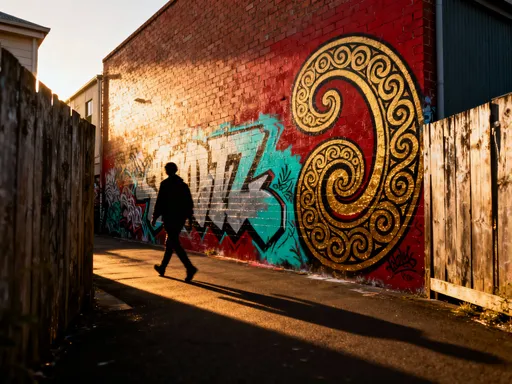
If São Paulo’s street art scene has a beating heart, it’s Beco do Batman—Batman Alley. Nestled in the heart of Vila Madalena, this narrow passage is lined with walls completely covered in ever-changing graffiti and murals. What began in the 1980s as a gathering spot for local graffiti writers has grown into one of the most iconic street art destinations in Latin America. The name, somewhat ironically, comes from an early Batman mural that sparked a trend; today, superheroes mingle with abstract forms, poetic phrases, and political slogans in a kaleidoscopic display of urban creativity.
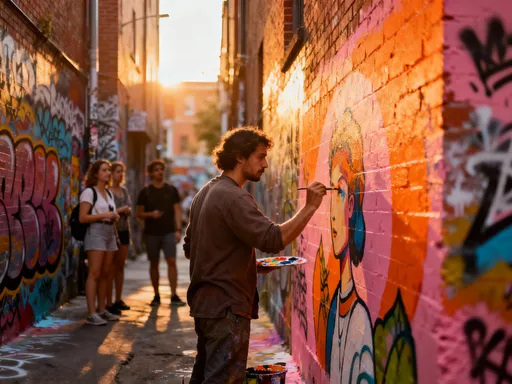
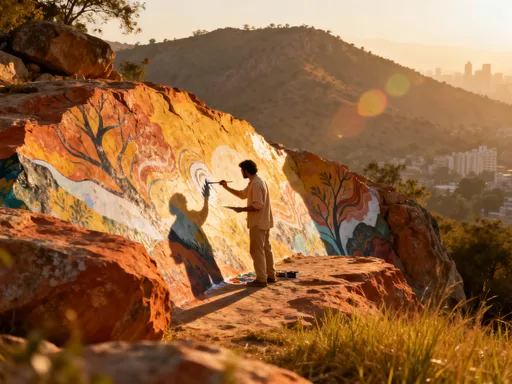
Walking through Beco do Batman is an immersive experience. The air hums with energy—cameras clicking, laughter echoing, spray cans hissing as artists add fresh strokes to the evolving tapestry. Every inch of surface is utilized: walls, ceilings, even the undersides of fire escapes become part of the canvas. The layers of paint tell a story of time, with older works peeking through newer coats, creating a sense of depth and history. It’s not uncommon to see artists in action, wearing masks and gloves, carefully outlining figures or filling in vibrant backgrounds. Watching them work offers a rare glimpse into the discipline and passion behind the art.
While the alley draws thousands of visitors each week, it remains a space rooted in authenticity. Local residents still live nearby, and the community actively protects the integrity of the site. Unlike commercialized tourist spots, there’s no admission fee or official signage—just an organic flow of people coming to witness, contribute, or reflect. The lack of formal structure adds to its charm, preserving the rebellious spirit that defines street art at its core.
For the best experience, visiting early in the morning is recommended. By midday, crowds swell, making it difficult to appreciate the details without jostling for space. Mornings offer softer light, fewer people, and a peaceful atmosphere that allows the art to speak more clearly. Weekdays tend to be quieter than weekends, and the chance of encountering working artists is higher. When visiting, it’s important to move respectfully—avoid touching wet paint, refrain from loud behavior, and never attempt to add your own marks. This is not a blank wall for public doodling; it’s a curated expression shaped by those who understand its language.
From Favelas to Fame: The Rise of Local Artists
Behind many of São Paulo’s most striking murals are artists who began their journeys in underrepresented communities. Street art in Brazil has long served as a platform for marginalized voices, offering visibility and agency to those often excluded from traditional art institutions. Some of the country’s most celebrated muralists emerged from favelas or low-income neighborhoods, using paint as both protest and poetry. Their rise to international recognition underscores the power of art to transcend social barriers and reshape narratives.
Eduardo Kobra is one such figure whose work has gained global acclaim. Known for his photorealistic portraits rendered in dazzling rainbow hues, Kobra’s murals depict icons like Nelson Mandela, Frida Kahlo, and indigenous activists. His piece "Ethnic Groups," a monumental tribute to human diversity, has been exhibited in multiple countries and stands as a testament to the unifying potential of public art. Though his work can now be found in cities from New York to Dubai, Kobra remains deeply connected to his Brazilian roots, often returning to São Paulo to create new pieces that reflect local and global themes.
Another influential artist is Nunca, whose surreal, mythological figures blend indigenous symbolism with urban aesthetics. His work explores identity, memory, and transformation, drawing inspiration from Brazil’s rich cultural tapestry. Nunca’s murals often feature hybrid creatures—part human, part animal—existing in dreamlike landscapes that challenge conventional boundaries. His contributions have helped elevate street art from vandalism to a respected form of cultural expression, influencing a generation of young artists across Latin America.
These artists’ journeys highlight a broader truth: São Paulo’s street art is not just about aesthetics, but about authorship. When members of historically silenced communities take ownership of public space, they redefine what art can do. Their murals are not merely decorative; they are declarations of presence, resilience, and hope. For travelers, recognizing this context deepens appreciation, turning casual observation into meaningful engagement. It’s not just about photographing a beautiful wall—it’s about understanding the story behind the brushstrokes.
Art Walks and Guided Experiences: Seeing More with Expert Eyes
While exploring São Paulo’s street art independently can be rewarding, joining a guided tour offers a significantly richer experience. I had the opportunity to participate in a walking tour led by a local artist, and the difference was profound. What I had previously seen as random splashes of color transformed into layered narratives filled with symbolism, history, and intention. The guide explained techniques, introduced us to lesser-known artists, and shared insights into the evolving dynamics of the scene. It was like being handed a key to a world I hadn’t known existed.
Local art walks vary in focus and format. Some concentrate on specific neighborhoods like Vila Madalena or Centro, while others follow thematic routes—political art, feminist murals, or environmental messages. Bike tours offer a broader reach, allowing participants to cover more ground and see how different districts express unique artistic identities. For those seeking deeper involvement, hands-on graffiti workshops are occasionally available, providing basic training in spray techniques and stencil design under the supervision of experienced artists. These experiences are especially valuable for families or travelers interested in creative expression.
When choosing a tour, it’s important to prioritize operators who are community-based and ethically run. The best guides are often artists themselves or long-time residents deeply embedded in the local culture. They tend to emphasize respect, sustainability, and fair compensation for the communities they represent. Tours typically last between two and three hours and may include stops at artist studios, independent galleries, or cultural centers. Costs vary but generally fall within a reasonable range for guided urban experiences, especially considering the depth of knowledge provided.
One of the most valuable aspects of these tours is access to hidden spots—alleyways, rooftops, or courtyards not widely advertised. These locations often feature experimental or temporary works, offering a glimpse into the cutting edge of the scene. Guides also help navigate the etiquette of engagement, teaching visitors how to observe without disrupting, photograph without intruding, and support without exploiting. In this way, guided experiences do more than educate—they foster responsible tourism that honors the art and its creators.
Beyond the Streets: Museums That Complement the Movement
While São Paulo’s outdoor art scene commands attention, the city’s indoor institutions provide essential context and continuity. The São Paulo Museum of Art, commonly known as MASP, stands as a cornerstone of Brazil’s cultural landscape. Housed in a striking modernist building designed by Lina Bo Bardi, the museum holds one of the most important art collections in Latin America. Its holdings include works by European masters like Van Gogh and Picasso, but increasingly, the focus has shifted toward Brazilian modernism and contemporary voices that parallel the themes seen in street art.
Exhibitions at MASP often explore the intersection of art and society, featuring pieces that address race, class, and political resistance. Seeing these works indoors creates a powerful dialogue with the murals outside. For example, a painting from the 1960s critiquing military dictatorship resonates differently when viewed alongside a modern graffiti piece making a similar statement on a city wall. This continuity reminds us that the impulse to speak truth through art is timeless, even as the medium evolves.
Another vital institution is the Instituto Tomie Ohtake, named after the renowned Japanese-Brazilian artist. The museum specializes in contemporary art and frequently hosts exhibitions that bridge traditional and urban forms. Past shows have featured large-scale installations by street artists, immersive digital projections, and retrospectives on movements that influenced today’s muralists. The architecture itself—clean lines, open spaces, and natural light—creates an ideal environment for reflection, offering a quiet counterpoint to the sensory intensity of the streets.
Visiting these museums after exploring the alleys and plazas enhances the overall experience. It allows travelers to see how the energy of the streets is both influenced by and contributes to the broader artistic ecosystem. The dialogue between institutional and independent art is not one of opposition, but of mutual inspiration. Together, they form a complete picture of São Paulo’s creative spirit—one that honors tradition while embracing innovation.
How to Engage Responsibly: Etiquette and Impact
As street art grows in popularity, so does the risk of commodification and disrespect. It’s not uncommon to see visitors treating murals as mere backdrops for selfies, oblivious to the cultural significance behind the images. Some even attempt to leave their mark by tagging walls or peeling off pieces as souvenirs—an act that damages both the artwork and the community’s trust. For travelers who wish to engage meaningfully, understanding the unwritten rules of this space is essential.
First and foremost, observe without interfering. Do not touch the walls, especially if paint is still drying. Avoid blocking pathways or disrupting artists at work. When taking photographs, be mindful of your surroundings—ask permission if people are in your frame, and never pressure anyone to pose. Remember, this is a living neighborhood, not a theme park. Residents live, work, and raise families here, and their comfort should take precedence over the perfect shot.
Another critical consideration is the prohibition against adding graffiti. Only authorized artists contribute to these spaces, and unauthorized tagging is not only illegal but deeply disrespectful. It undermines years of community effort and can lead to increased policing or even the removal of entire murals. Supporting the art means preserving its integrity, not altering it for personal gain.
Travelers can also support the scene through ethical consumption. Purchasing art directly from local markets or certified vendors helps sustain artists financially. Some tours include small purchases—like postcards or prints—that directly fund community projects. Avoid buying counterfeit souvenirs or mass-produced copies that exploit original designs without benefiting the creators. When in doubt, ask your guide or look for official artist signatures and labels.
Finally, consider the environmental impact of your visit. Bring a reusable water bottle, avoid littering, and use public transportation when possible. São Paulo has an extensive metro and bus system that connects major art districts efficiently. Reducing your footprint ensures that the city remains vibrant and accessible for future generations of artists and visitors alike.
Why São Paulo’s Art Scene Is a Game-Changer for Travelers
São Paulo doesn’t offer a passive viewing experience—it invites participation, reflection, and emotional connection. The city reshapes what cultural travel can be, moving beyond checklist tourism to something more profound. Here, art isn’t something you simply see; it’s something you feel in your chest, hear in the rhythm of spray cans, and carry with you long after you’ve left. It challenges, inspires, and reminds us of the power of human expression in all its forms.
For women in their 30s to 50s—many of whom seek travel that is enriching, safe, and deeply personal—São Paulo presents a compelling destination. The art scene offers intellectual stimulation, emotional resonance, and opportunities for quiet discovery. Whether walking through Beco do Batman at sunrise, discussing symbolism with a local guide, or standing before a mural that speaks to social justice, the experience fosters a sense of connection—to the city, to its people, and to oneself.
What makes this art scene truly transformative is its accessibility. You don’t need to be an art expert to appreciate it. You only need curiosity and respect. In a world where travel can sometimes feel transactional, São Paulo’s street art restores wonder. It reminds us that beauty can emerge from unexpected places, that voices matter even when they’re painted on walls, and that creativity can flourish even in the densest urban environments.
Ultimately, São Paulo teaches us to look closer. To see beyond the surface. To understand that every splash of color has a story, every artist has a journey, and every city has a soul waiting to be discovered. This is not just a destination for art lovers—it’s a revelation for anyone ready to engage with the world in a more thoughtful, heartfelt way. So pack your walking shoes, charge your camera, and come with an open mind. The walls are waiting to speak.